Engineering Insights & Guides
In-depth technical articles written by licensed structural engineers — helping property owners, developers, and contractors make better-informed decisions.
All Articles
71 articles
Complete Guide to Structural Engineering for Property Owners
Understand what structural engineers do, the types of structural systems they design, when you need one, and how the engineering process works from concept through code compliance.

NYC Structural Services Roadmap: Elevators, Openings, Landmark Work and Support Framing
Use this roadmap to choose the right Asvakas service path for elevator scopes, altered openings, landmark facade work, and support-framing questions in NYC.

Elevator Installation in Existing NYC Buildings: When Structural Engineering Is Required
Understand when a new elevator project becomes a building-side structural problem, from hoistway openings and pit work to support steel and phased construction.
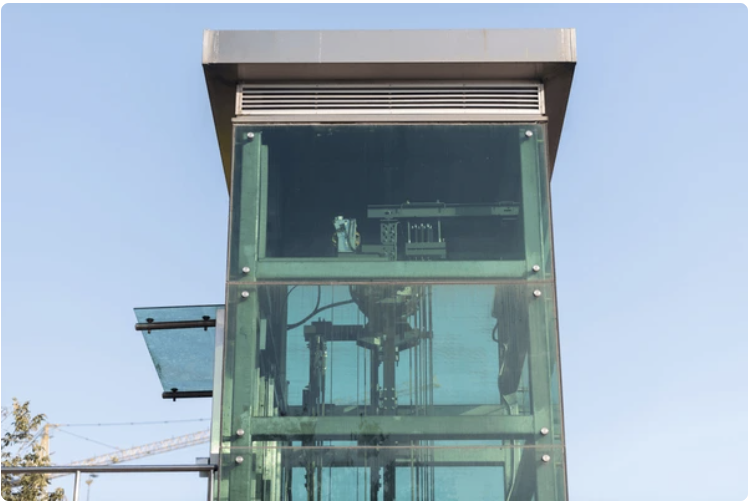
Elevator Modernization in NYC: Structural Upgrades, Pit Checks, and Existing-Building Constraints
See where the structural scope usually appears when older elevator systems are upgraded, replaced, or converted in existing NYC buildings.
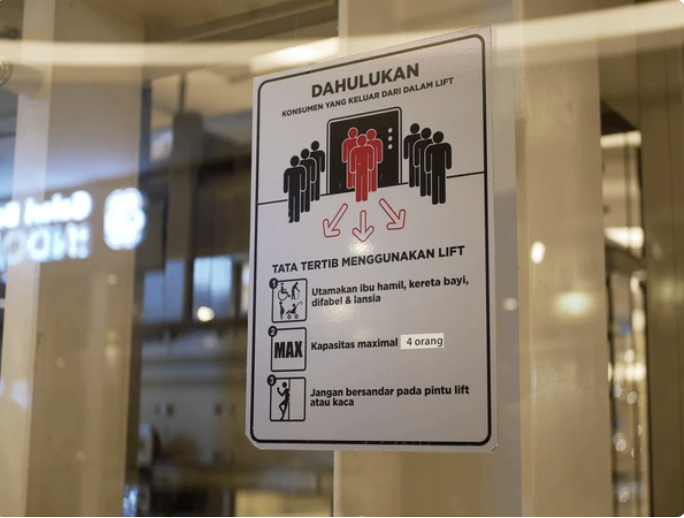
NYC Elevator Permit Filing Guide: DOB NOW, Code References, and Structural Coordination
A practical map of DOB NOW elevator resources, key code anchors, and the building-side structural documents that often support the filing team.

MRL Elevators in NYC: Structural Considerations for Hoistways, Overhead Space, and Support Steel
Machine-room-less systems can reduce some space demands, but they still create meaningful building-side questions about support, clearances, and fit-up.
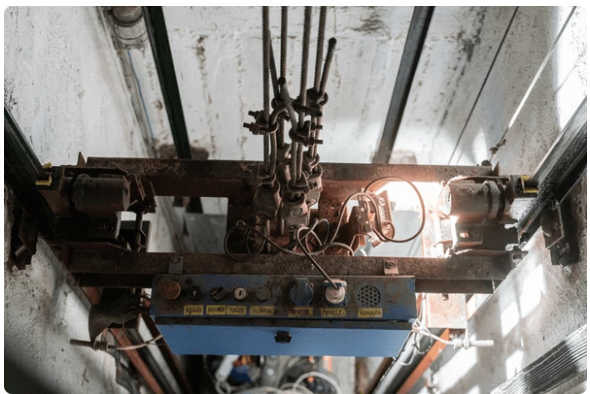
Elevator Hoistway Openings in NYC: Slab Framing, Pit Deepening, and Existing-Structure Coordination
Review the structural coordination behind hoistway openings, pit work, temporary support, and real-world shaft fit-up in existing buildings.
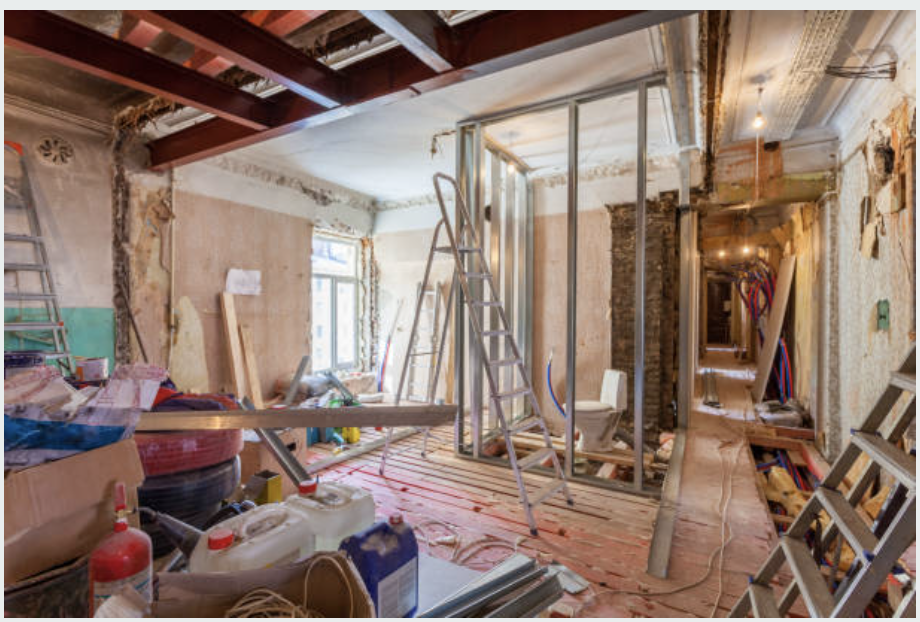
Structural Openings in Existing NYC Buildings: Slabs, Walls, Shafts and Alteration Risk
What owners and project teams should review before cutting new wall, slab, roof, and shaft openings in an existing NYC building.
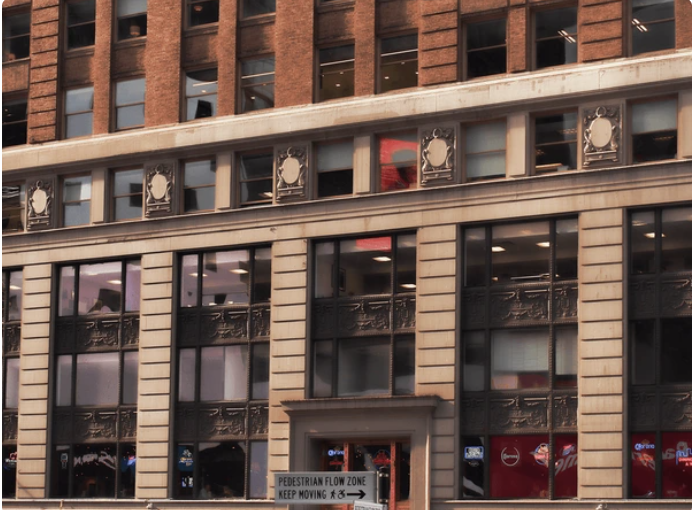
Historic and Landmark Opening Work in NYC: LPC, DOB and Structural Coordination
Learn how landmark opening work intersects with LPC review, DOB filing, lintel behavior, and preservation-sensitive facade coordination.

Door and Window Structural Modifications in NYC: Lintels, Storefronts and Building-Side Scope
See when a door, window, or storefront change shifts from simple replacement into a building-side structural and permit problem.
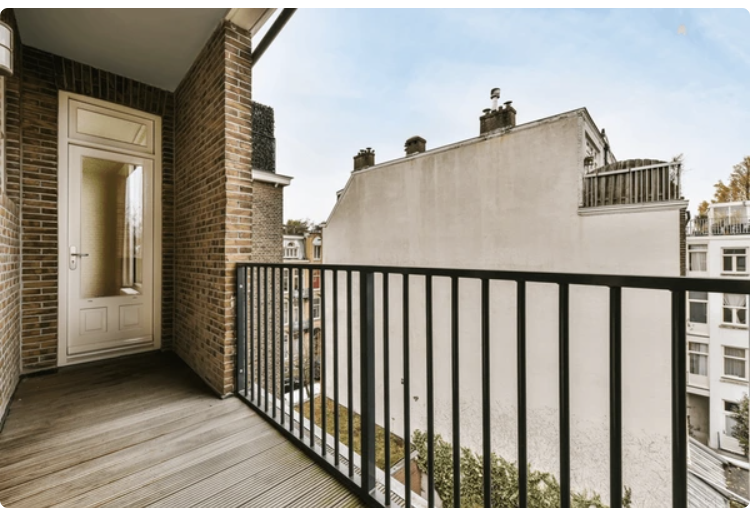
NYC Roof and Balcony Guardrail Filing Guide
Use current NYC code, parapet observation, DOB NOW, and special-inspection sources to frame roof and balcony guardrail structural work.
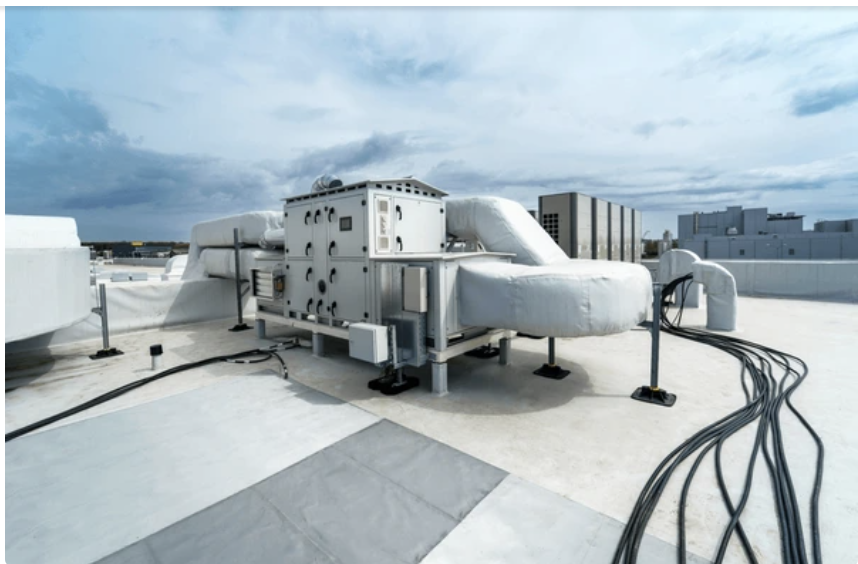
NYC Rooftop HVAC, Dunnage, and Filing Guide
Use current NYC code, energy, DOB NOW, zoning, and special-inspection sources to frame rooftop HVAC and roof-equipment structural support work.
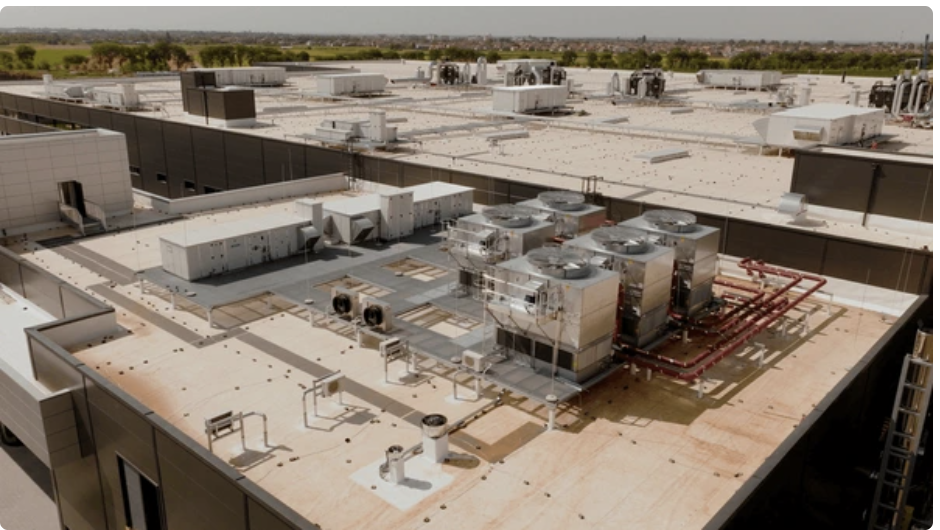
Support Framing, Hangers and Anchors in NYC: Dunnage, Attachments and Receiving-Structure Review
Review the structural questions behind dunnage, support hangers, anchor groups, and localized support steel before details reach the field.
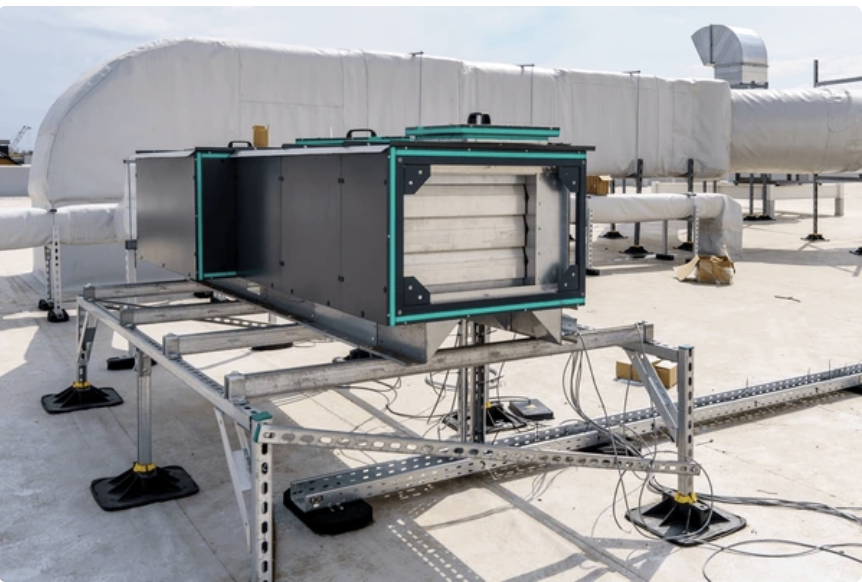
Canada Rooftop HVAC Structural Support Guide
See where NBC 2025, provincial adoption, municipal permits, and engineering practice authority divide the rooftop HVAC support picture across Canada.
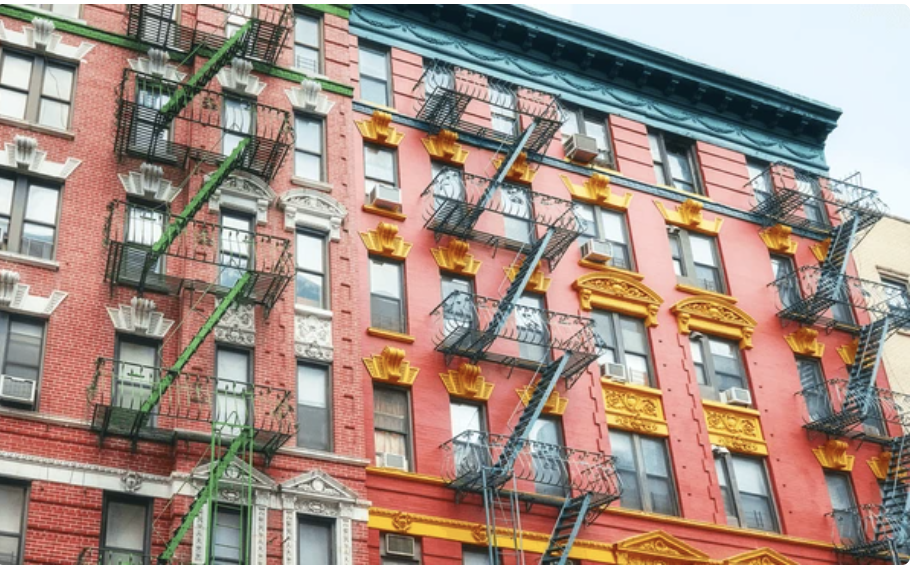
NYC Local Law 11 & FISP: Complete Property Owner's Guide
Everything you need to know about the NYC Facade Inspection Safety Program — cycles, Safe/SWARMP/Unsafe classifications, filing deadlines, penalties, and how to prepare.
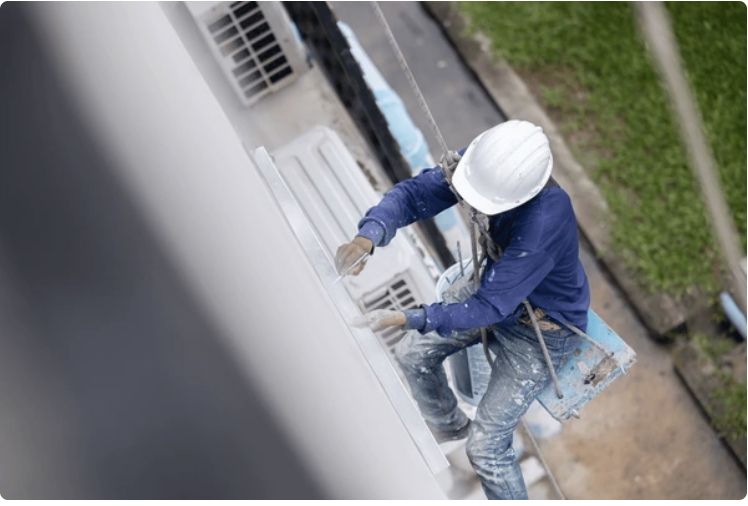
Facade Inspection Guide: What Inspectors Look For & Common Findings
A step-by-step breakdown of what facade inspectors look for, from spandrel beams and sealants to terra cotta and lintels — plus Safe, SWARMP, and Unsafe classifications explained.
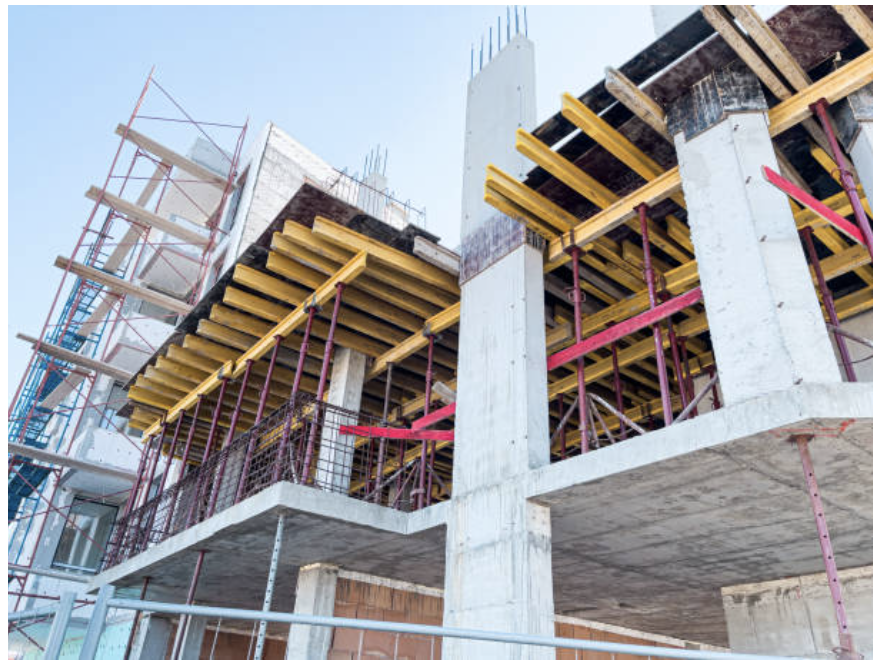
Temporary Works Engineering: Shoring, Scaffolding & Cofferdams Explained
Temporary works protect workers and adjacent structures during construction. Learn about every type, NYC DOB permit requirements, engineering design responsibilities, and risk management.
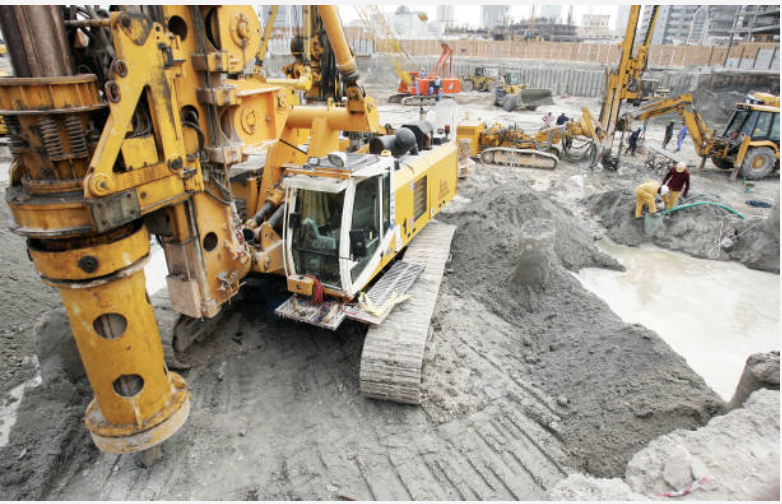
Shoring Systems Explained: Types, Design Principles & Installation
Raking shores, dead legs, flying shores, hydraulic props, and soldier pile walls — a structural engineer explains every shoring type, when to use it, and key design considerations.
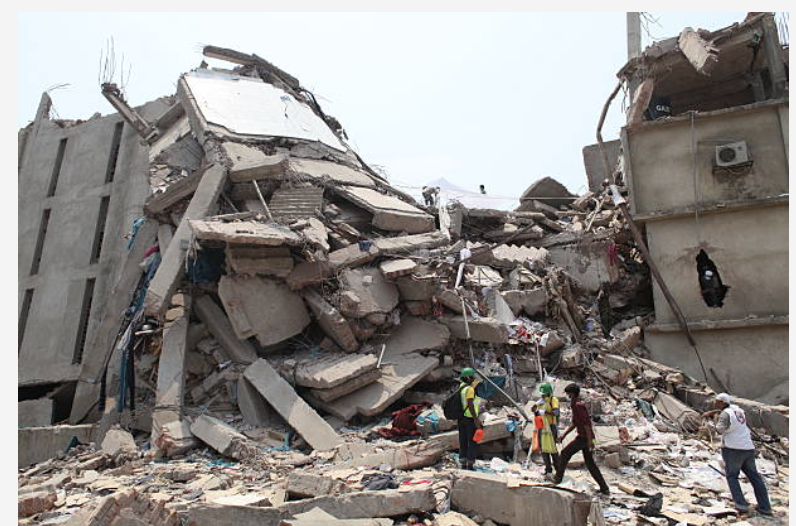
Forensic Structural Investigation: Process, Findings & Expert Reports
When a building shows signs of distress — cracking, settlement, or unexpected movement — a forensic structural engineer investigates to determine root cause. Here's the full process.
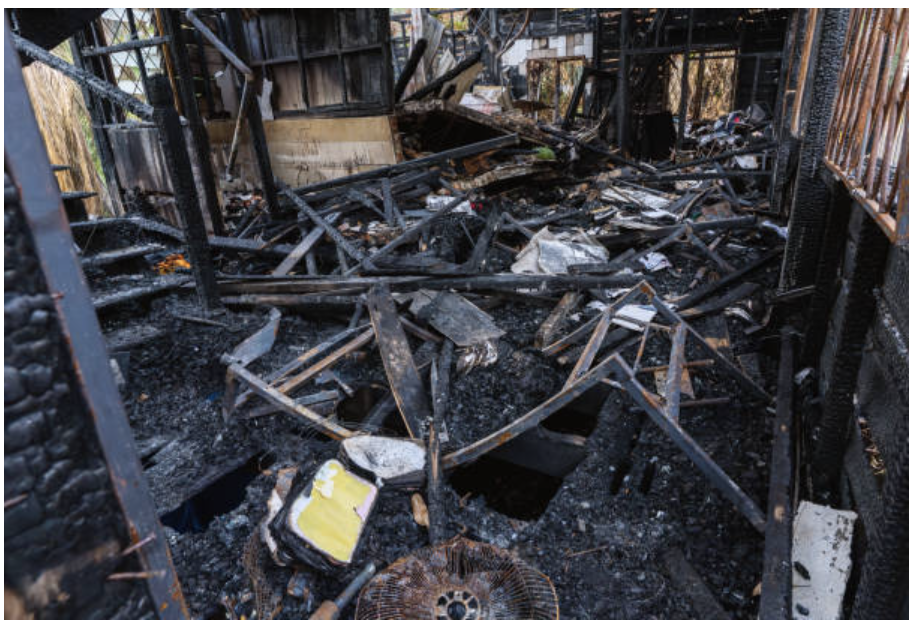
Structural Failure Analysis: How Engineers Determine Root Cause
Structural failures happen for identifiable reasons: overload, material defects, design errors, or construction deficiencies. Understand the failure analysis methodology and what the final report contains.
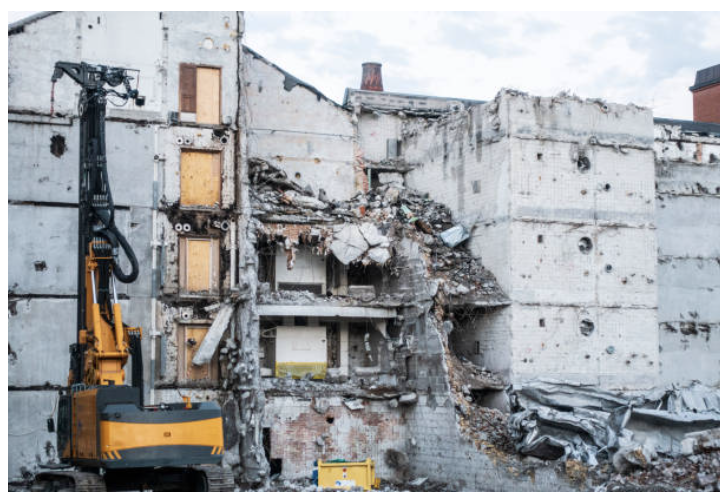
Expert Witness Engineering: What to Expect in Construction Litigation
When construction disputes go to court, structural engineering expert witnesses provide the technical opinions that shape outcomes. Learn exactly how the process works from retention to testimony.

Construction Cost Estimation: A Structural Engineer's Approach
Accurate cost estimation prevents budget overruns. Learn how structural engineers perform quantity takeoffs, identify the primary cost drivers for steel and concrete, and plan for contingencies.

Construction Project Scheduling: CPM, Critical Path & Best Practices
A well-built schedule keeps structural projects on time and on budget. Understand the Critical Path Method, work breakdown structure, total float, schedule compression, and delay analysis.

Construction Administration: The Structural Engineer's Role On-Site
Construction administration ensures that what gets built actually matches the approved drawings. Learn what structural engineers do during CA — shop drawing review, RFIs, site visits, and change orders.
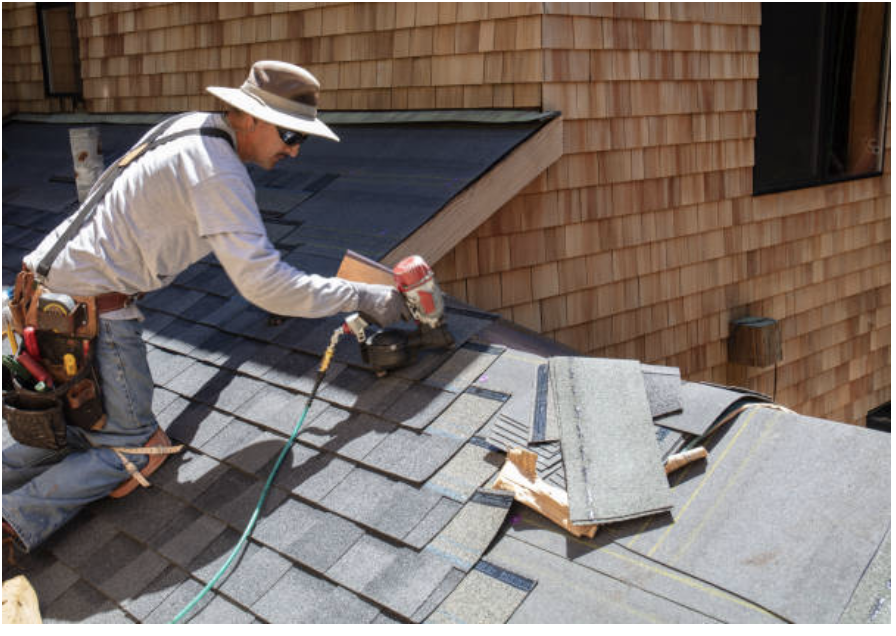
Specialty Structural Engineering: Roofs, Anchorage, Connections & Formwork
Roof dunnage, safety railings, concrete anchors, steel connections, masonry anchorage, and formwork — the specialized structural disciplines that keep buildings safe at every level.
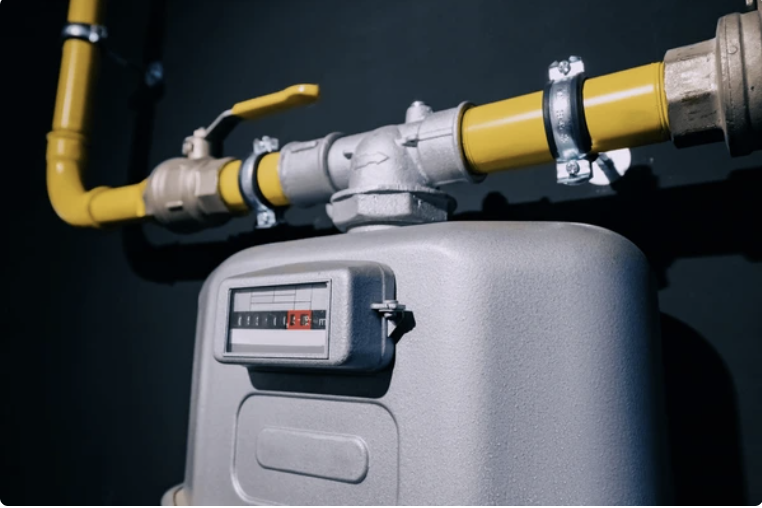
NYC Local Law 152: Gas Piping Inspection Deadlines & Requirements
Every NYC building must inspect its gas piping systems every 4 years under Local Law 152. Understand community board deadlines, what gets inspected, and how violations are cured.
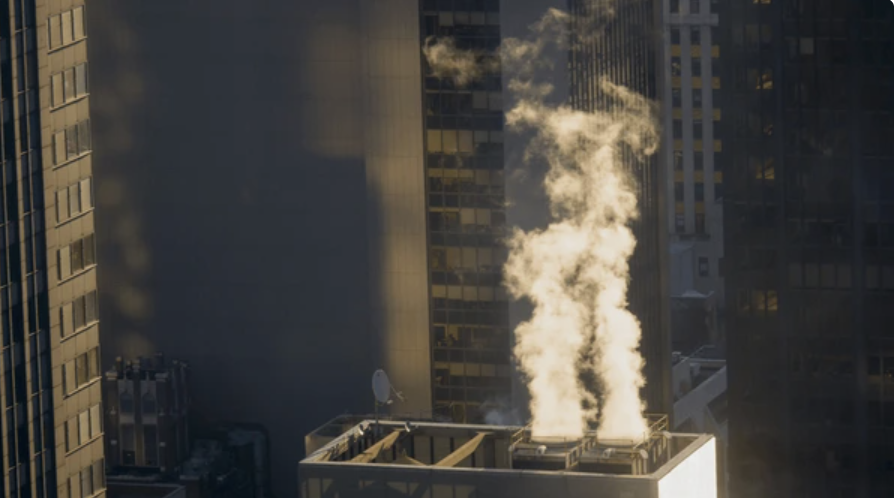
NYC Local Law 97: Carbon Emission Limits, Penalties & Compliance Strategy
Local Law 97 sets strict carbon emission caps on NYC buildings over 25,000 sq ft starting 2024. Learn the limits, fine structure, and what building owners can do to comply.

NYC Special Inspections: BC Chapter 17, SOSI & Non-Conformance Reports
When NYC projects require special inspections, what materials and systems must be inspected, who qualifies as a Special Inspector, and how SOSI documents are structured.
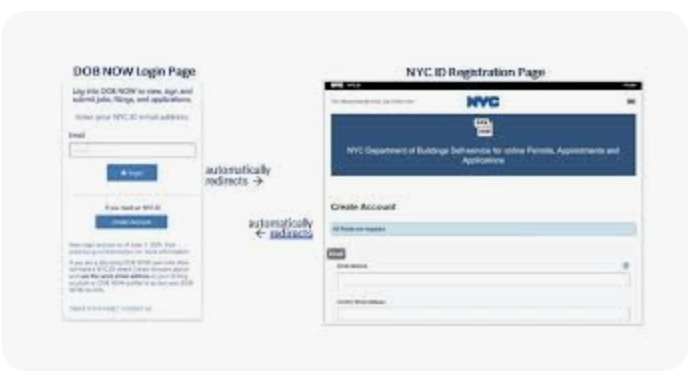
NYC DOB Annual Inspections: Complete Compliance Checklist for Property Owners
LL11, LL126, LL87, LL97, LL152 — NYC buildings face a maze of annual inspection requirements. This master checklist maps every local law obligation by building type and deadline cycle.
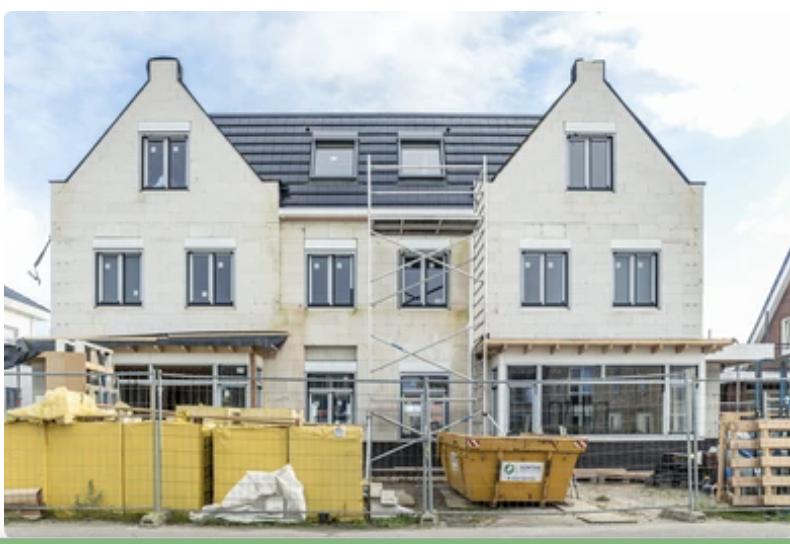
Pre-Construction Survey in NYC: Admin Code §3309, Process & Property Rights
NYC Admin Code §3309 requires pre-construction surveys of adjacent properties before excavation begins. Understand who pays, what gets documented, and how it protects all parties.
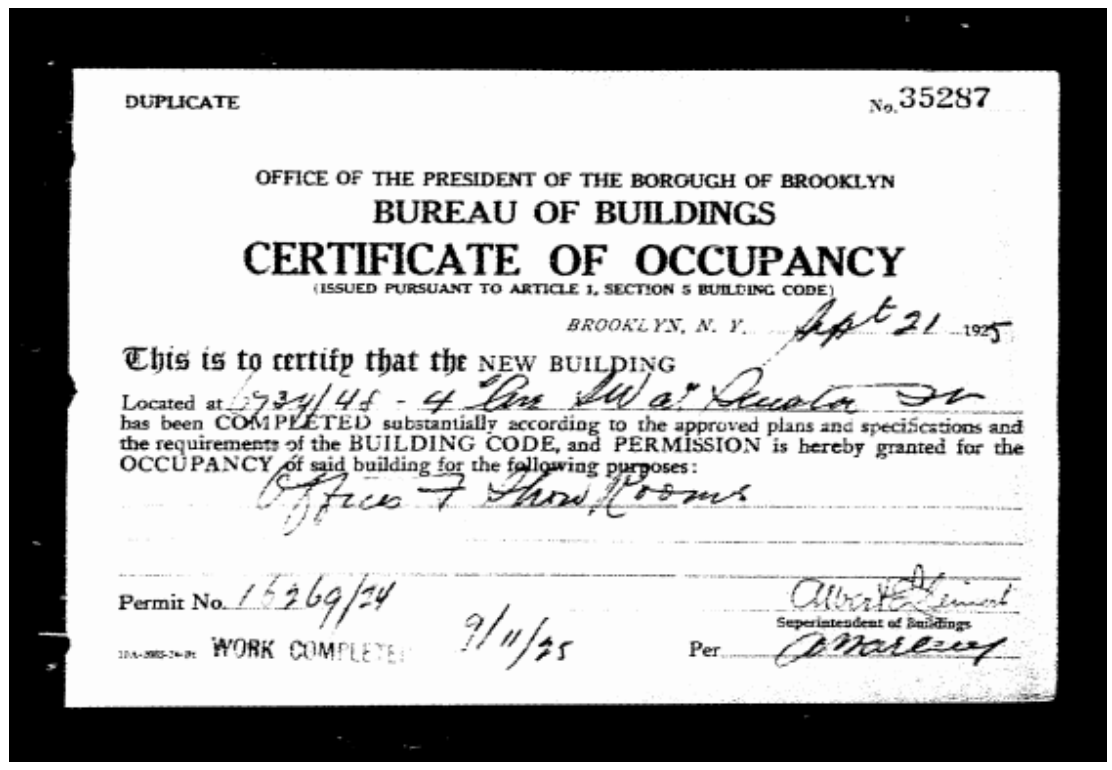
NYC Certificate of Occupancy: CO, TCO & DOB NOW Closeout Support
Every NYC building needs a valid Certificate of Occupancy. Learn how Asvakas coordinates CO and TCO closeout, Alt filing impacts, and DOB NOW review through the finish line.
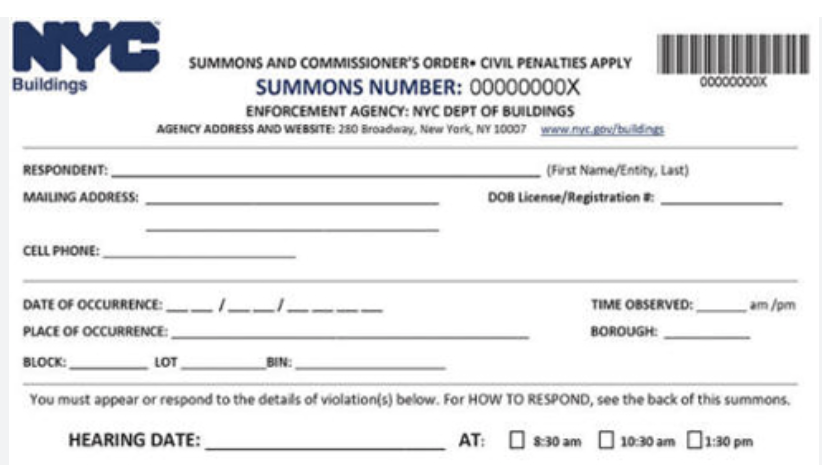
NYC DOB Violations: Cure Strategy, Stop Work Orders & ECB Exposure
DOB and ECB violations can stop construction, prevent sales, and trigger daily fines. Learn how Asvakas evaluates each condition, prepares cure documentation, and coordinates the resolution path.
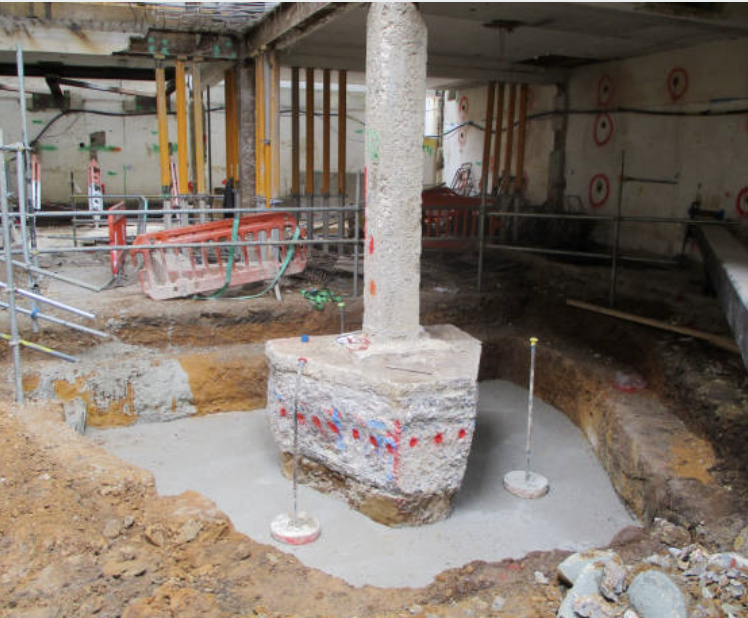
Underpinning in NYC: Methods, Admin Code §3309 & Adjacent Owner Rights
When NYC excavations go deeper than an adjacent building's footings, underpinning is required under Admin Code §3309. Learn the methods, engineering obligations, and neighbor rights.
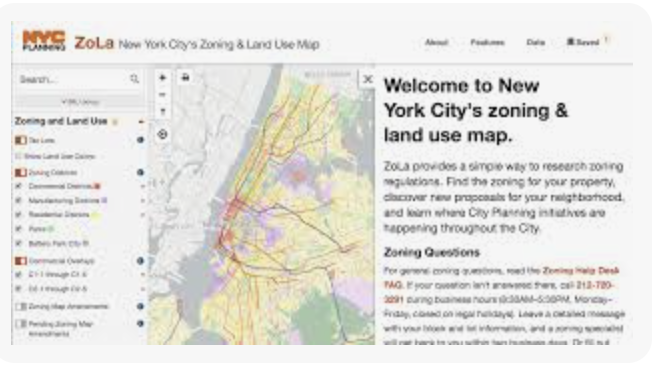
NYC Zoning Resolution & Structural Engineering: FAR, Height, Bulk & Setbacks
NYC zoning controls what you can build in every district — and structural engineers must understand FAR, height limits, and yard requirements to design compliant structures.
NYC DOB Filing Types: Alt-1, Alt-2 & Alt-3 Explained
The NYC DOB uses three alteration filing types. Understanding when to use Alt-1, Alt-2, or Alt-3 determines your permit pathway, plan examination requirements, and inspection obligations.

Structural Renovation in NYC: Load-Bearing Walls, Beam Design & DOB Permits
Removing a load-bearing wall in NYC requires an Alt-2 permit and PE-stamped drawings. Learn how engineers identify structural walls, size replacement beams, and sequence the shoring and construction work.
Retrofitting Existing NYC Buildings: Seismic, Wind & Structural Strengthening
When change-of-use, additions, or NYC DOB unsafe building notices trigger structural upgrades, a retrofit assessment determines the scope and methods needed to bring the structure up to current code.
Structural Peer Review in NYC: When DOB Requires It & How It Works
NYC DOB's Special Projects Division (SPD) requires independent peer review for specific complex structures. Learn what triggers peer review, who qualifies as a reviewer, and how the process differs from special inspections.
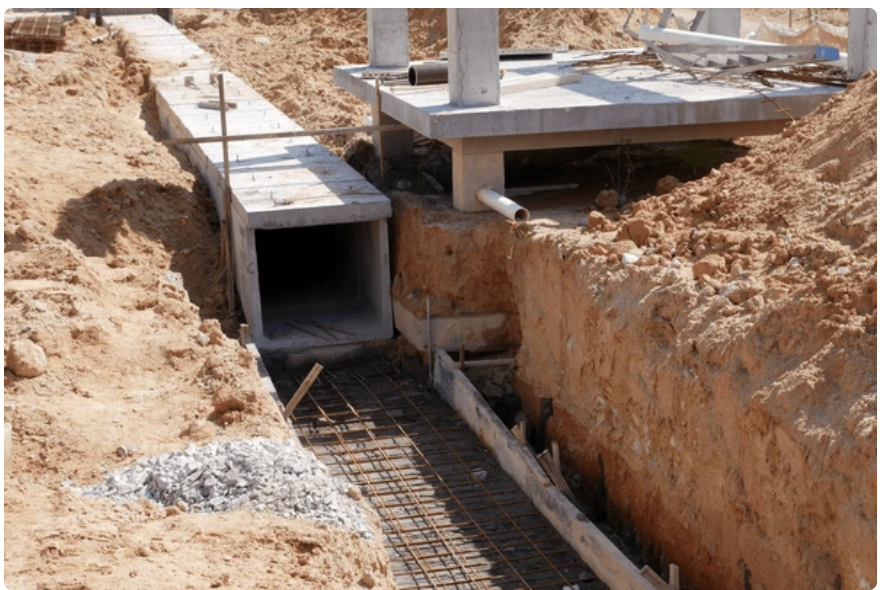
Erection Plans in NYC: Steel & Concrete Erection Engineering for DOB
NYC DOB and OSHA 1926 Subpart R require PE-stamped erection plans for structural steel and precast concrete construction. Learn what erection plans include, crane permit requirements, and who bears responsibility for erection safety.
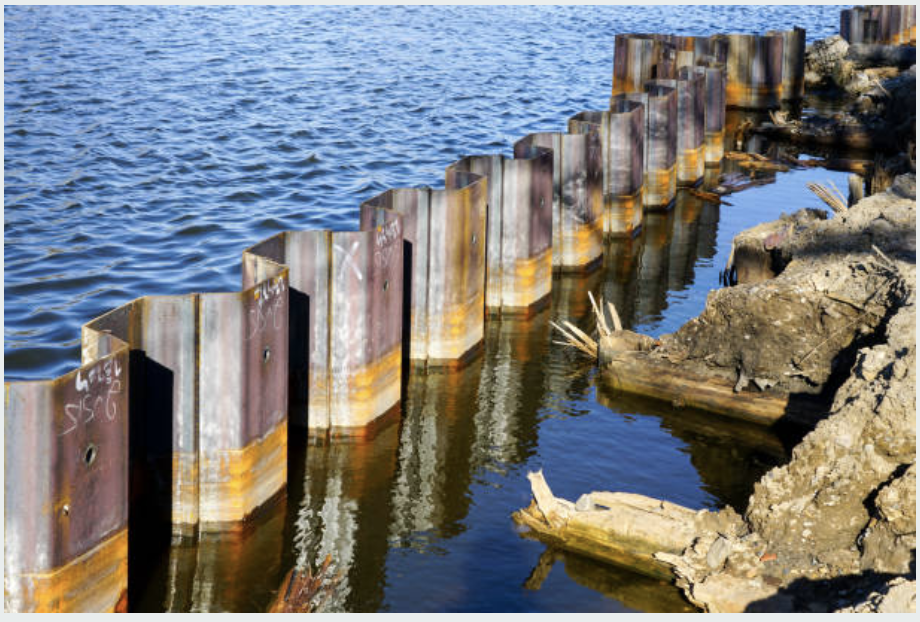
Cofferdam Design & Water Diversion Engineering in NYC
NYC waterfront construction often requires PE-engineered cofferdams. Learn about sheet pile cofferdam design, NYC DEP and USACE permit requirements, dewatering discharge rules, and adjacent structure settlement risks.
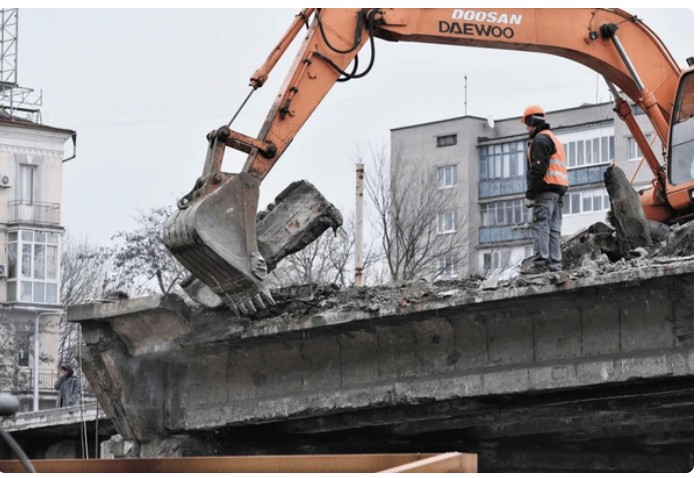
Bridge Demolition Engineering in NYC: NYCDOT Permits & Staged Demolition
Bridge demolition in NYC requires NYCDOT permits, staged structural analysis, traffic control plans, hazardous materials abatement, and federal USACE/USCG approvals for waterway structures.
Bridge Structural Engineering in NYC: Erection Plans, Demolition & Cofferdam
PE-sealed bridge erection plans, demolition sequencing, cofferdam design, and structural assessments for NYCDOT, MTA, Port Authority, and private bridge projects throughout New York City.
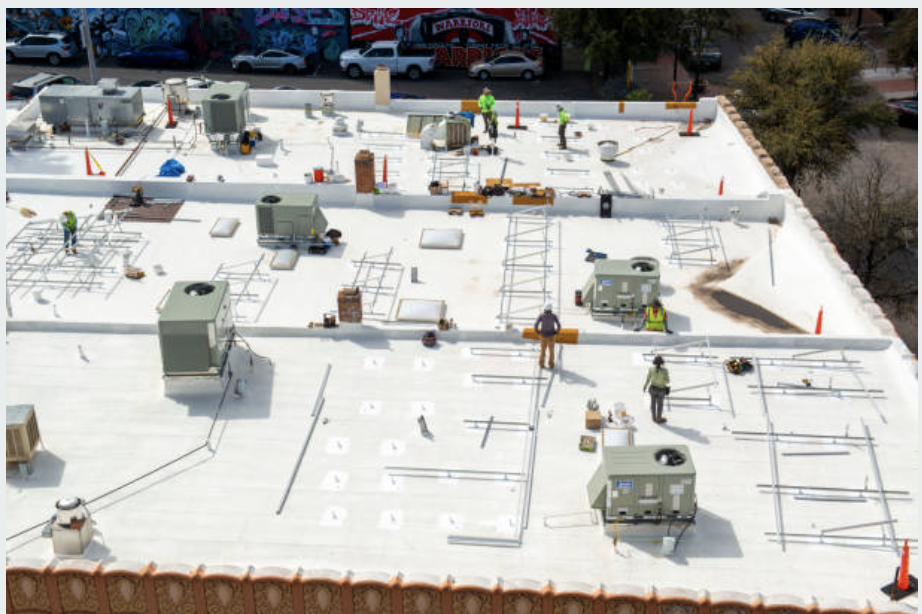
Roof Renovation & Replacement in NYC: Structural Engineering Guide
Structural engineering for NYC roof projects — deck replacement, parapet reconstruction, dunnage design, green roof conversions, and DOB Alt-2 permit filings for five boroughs.
Underpinning Methods in NYC: Pit, Pile & Micropile Deep Dive
A detailed technical comparison of pit underpinning, concrete pile underpinning, and micropile underpinning for NYC excavation projects under Admin Code §3309 — design criteria, soil suitability, and cost-speed tradeoffs.
Roof Safety Engineering in NYC: Fall Protection, OSHA & DOB Requirements
Rooftop safety railings, skylight guarding, dunnage platforms, and OSHA 1910.23 / NYC fire code requirements for roof access and fall protection — what engineers design and what owners must maintain.
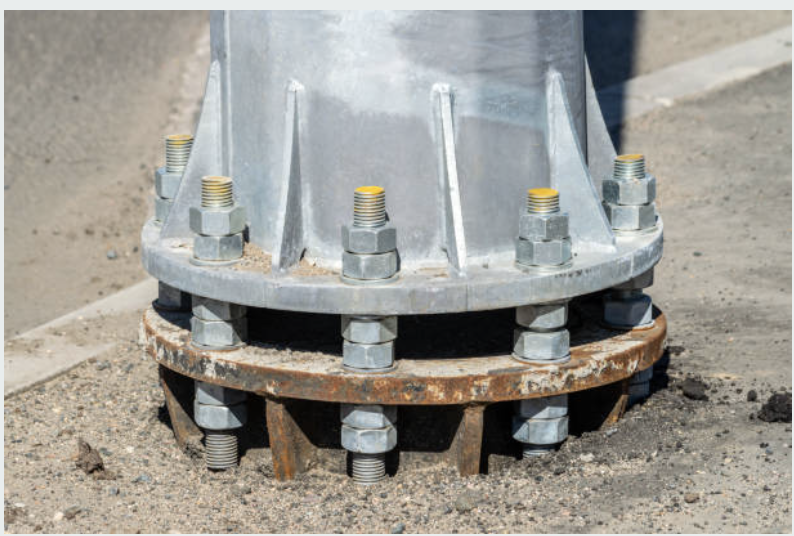
Structural Anchorage in NYC: Post-Installed Anchors, ACI 318 Ch.17 & Special Inspections
Post-installed anchors in concrete require ACI 318 Chapter 17 design and NYC DOB special inspections. Learn anchor types, failure modes, installation requirements, and common violations.
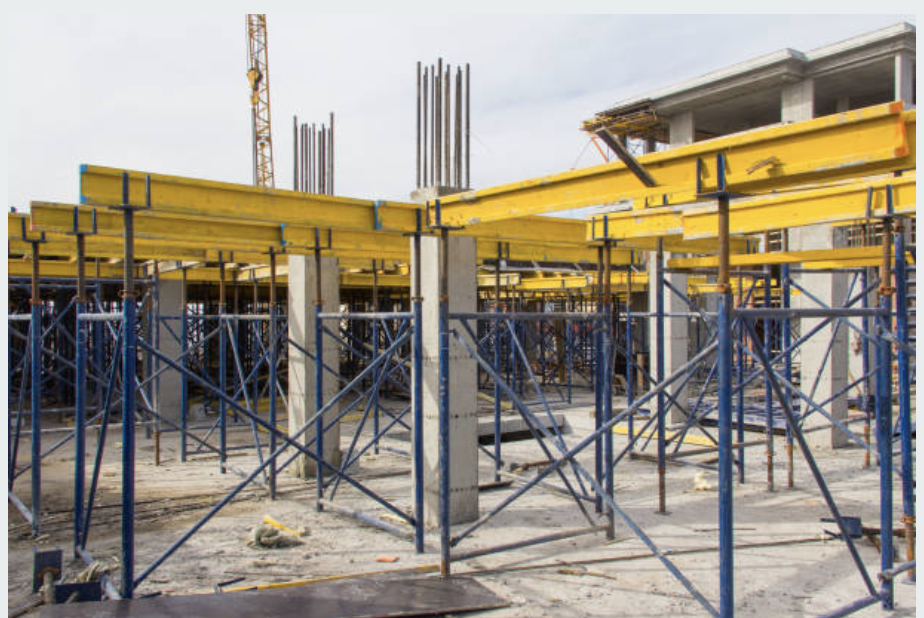
Formwork Engineering in NYC: ACI 347 Design Loads, PE Requirements & Failure Prevention
NYC DOB requires PE-stamped formwork drawings for concrete pours over 6 feet. Learn ACI 347 load calculations, lateral pressure design, reshoring requirements, and the most common formwork failures.
NYC DOB Unsafe Building Designations: SWARMP, Unsafe & Emergency Response
NYC DOB can designate a building SWARMP, Unsafe, or a Dangerous Building, with significant enforcement exposure. Learn the classification system, emergency response process, and how engineers help owners respond and recover.
Structural Damage Insurance Claims in NYC: Engineering Assessments, Documentation & Litigation Support
When structural damage triggers an insurance claim in NYC, the engineering assessment is the foundation of everything. Learn about spoliation risk, sudden vs. deterioration coverage, and how engineers support litigation.
Expert Witness Engineering in New York: Frye Standard, CPLR 3101(d) & What Courts Require
New York courts use the Frye standard — not Daubert — for expert witnesses. Learn CPLR §3101(d) disclosure requirements, structural engineer qualification standards, and how courts evaluate engineering testimony.
Value Engineering in NYC Construction: How Structural Engineers Reduce Costs Without Compromising Safety
Structural VE saves 5–15% of project costs when done at the right design stage. Learn about slab system selection, column grid optimization, foundation alternatives, and the real cost of late VE.
Construction Closeout in NYC: Substantial Completion, TCO vs CO & Final DOB Sign-Off
NYC construction closeout requires coordinating special inspection TR1 forms, PE sign-offs, amendment filings, BEST Squad inspections, and violation clearances. Learn the full sequence and most common delay causes.
NYC Mechanics Liens & Construction Contracts: What Property Owners Need to Know
New York Lien Law gives contractors, engineers, and suppliers 8 months to file a mechanics lien on an NYC property for unpaid work. Learn who can file, how to discharge liens, and how structural engineers protect their fees.
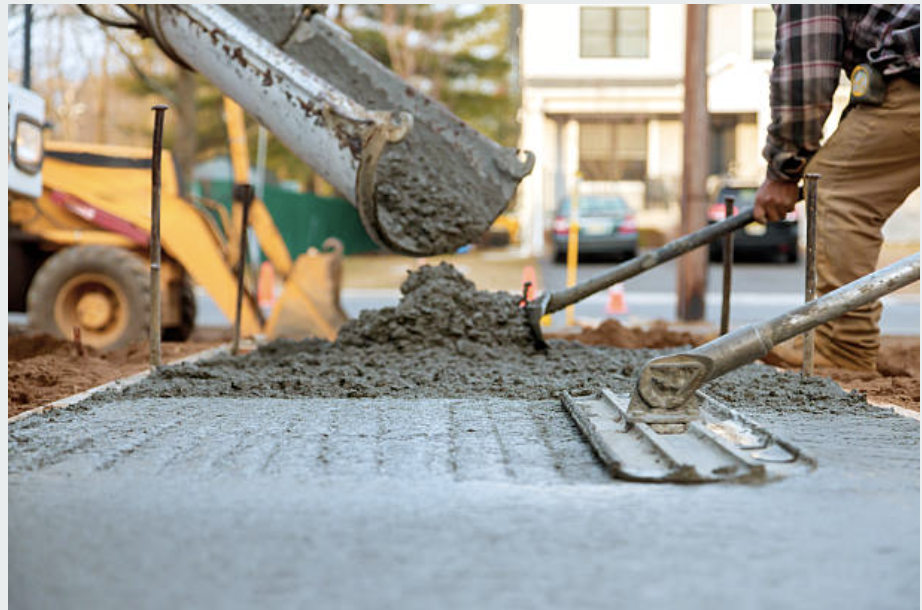
NYC Sidewalk Slab & Underground Vault Engineering: Repair, Replacement & DOB Compliance
Sidewalk slabs over private underground vaults and cellars are a structural liability for NYC property owners. Learn owner responsibilities, design loads, replacement systems, and required DOB + DOT permits.
Structural Openings in NYC Buildings: Windows, Doors & Passage Cuts
Adding or enlarging a window, door, or passage opening in an NYC building requires structural engineering, lintel and beam design, temporary shoring, and a DOB Alt-2 permit. Here is the full process.
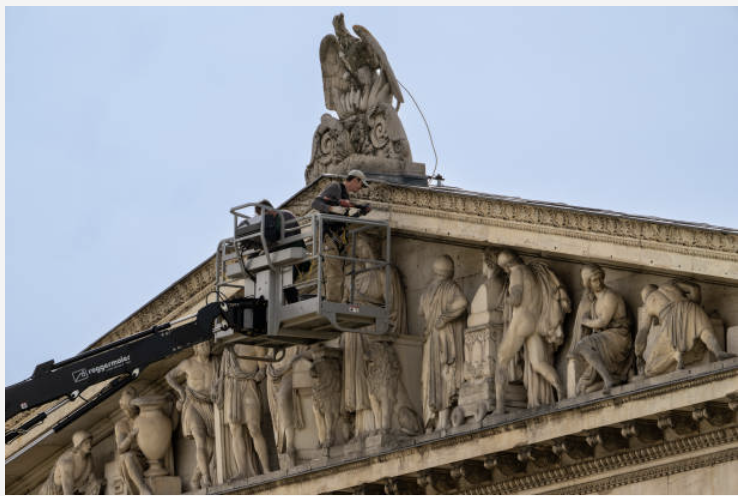
NYC Façade Renovation & Restoration: FISP Remediation, Cladding Replacement & Masonry Repair
FISP-required façade repairs, masonry repointing, terra cotta restoration, waterproofing upgrades, and cladding system replacement — the full engineering and DOB compliance guide for NYC facades.
Historic & Pre-War Building Structural Restoration in NYC: LPC, DOB & Engineering Guide
Restoring NYC's pre-war masonry, timber-frame, and early steel buildings requires LPC approvals, NYC Building Code Chapter 34, and engineering of century-old structural systems. Full guide for owners and engineers.
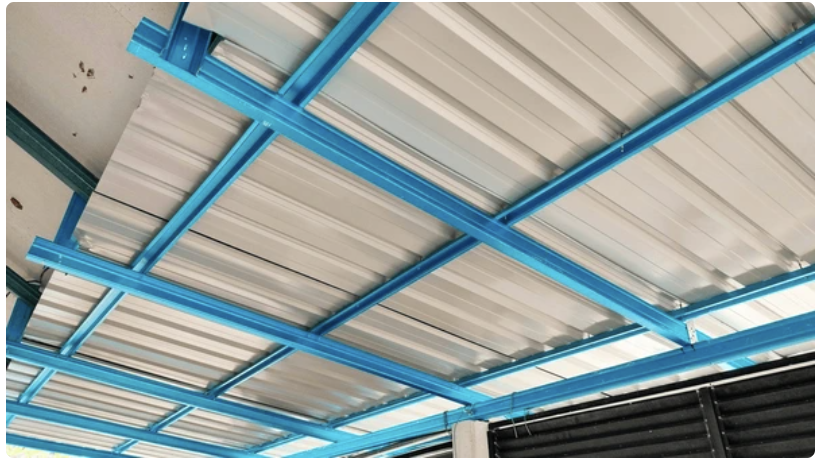
Protective Coatings for Structural Steel in Construction
How steel coating systems should be coordinated across corrosion exposure, fabrication, field touch-up, and long-term maintenance planning.
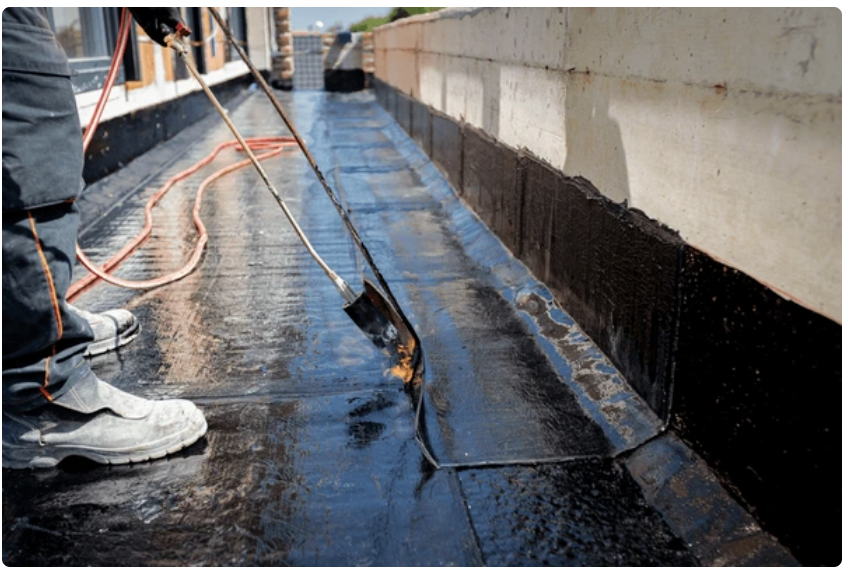
Liquid-Applied Waterproofing and Protective Systems in Construction
Continuity, transition detailing, substrate readiness, and repair-driven use of liquid-applied systems in construction.

Concrete Repair Materials and Surface Preparation
Why repair materials, bond conditions, corrosion mitigation, and surface prep need to be evaluated together for durable repair work.
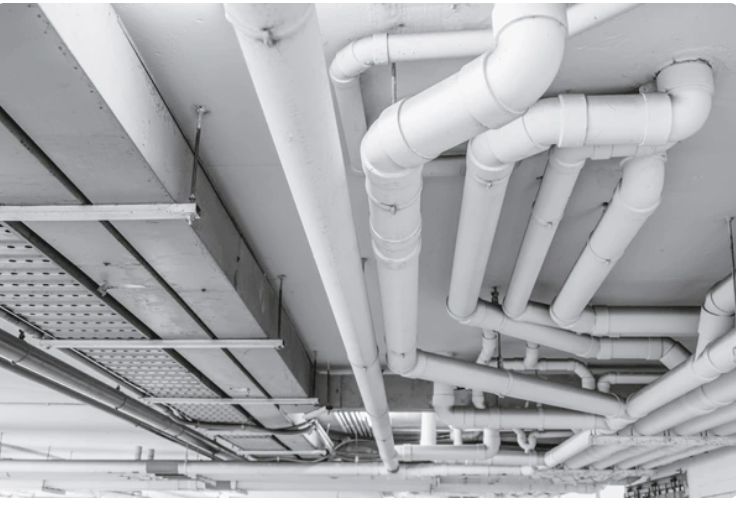
Painting Systems for Construction and Rehabilitation
Architectural versus protective painting, overcoating decisions, sequencing, and lifecycle planning for repair-heavy projects.
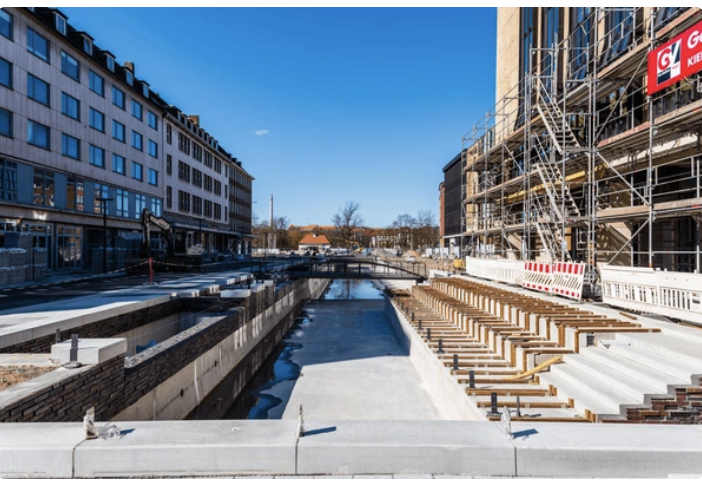
Building Envelope Consulting: What It Covers and Why It Matters
How enclosure consulting connects leakage paths, transitions, durability, and below-grade interfaces into a practical repair and design strategy.
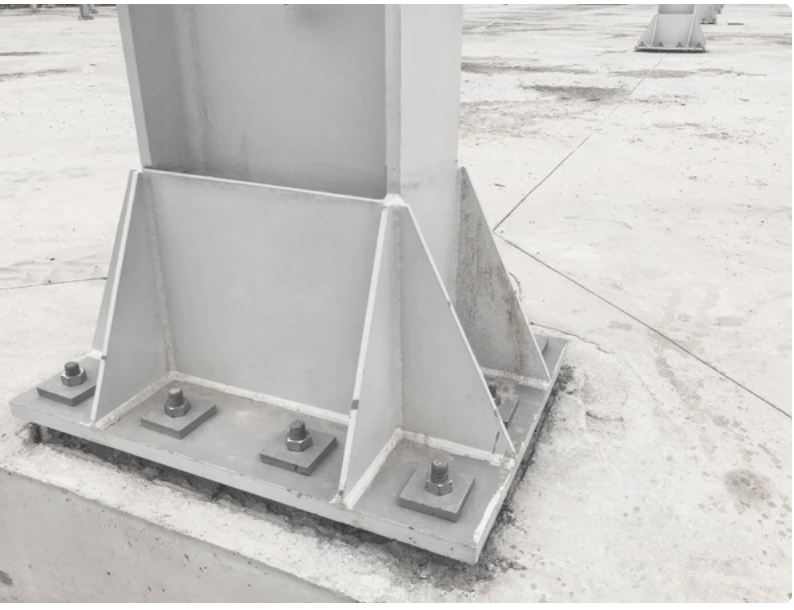
Anchorage & Fastening Design: What Project Teams Need to Know
Why substrate condition, edge distance, embedment, and installation sequencing all matter when anchorage systems carry critical loads.
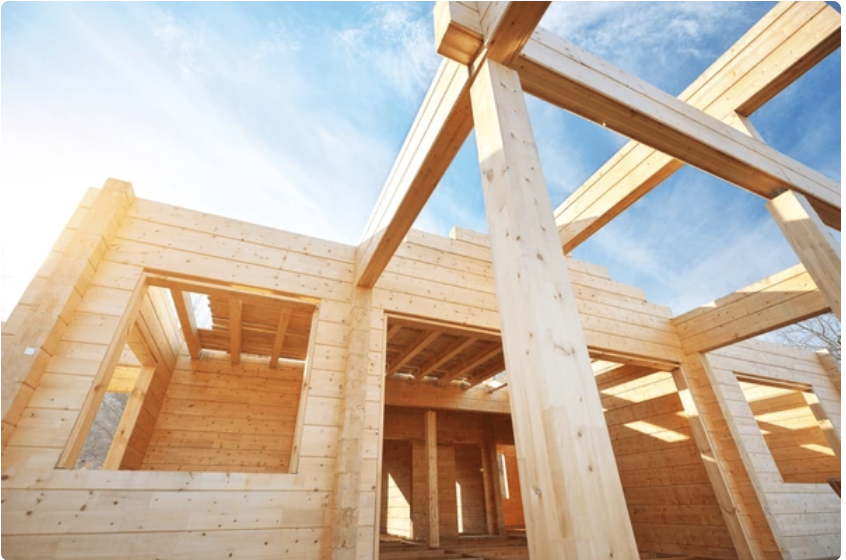
Timber & Wood Engineering for Repair and New Construction
Guidance on timber framing, deck structures, connection review, and preserving existing wood members when repair is still viable.

Structural Glass & Glazing Systems: A Practical Engineering Guide
How support conditions, movement, leakage risk, and facade interfaces affect the performance of glass-heavy assemblies.
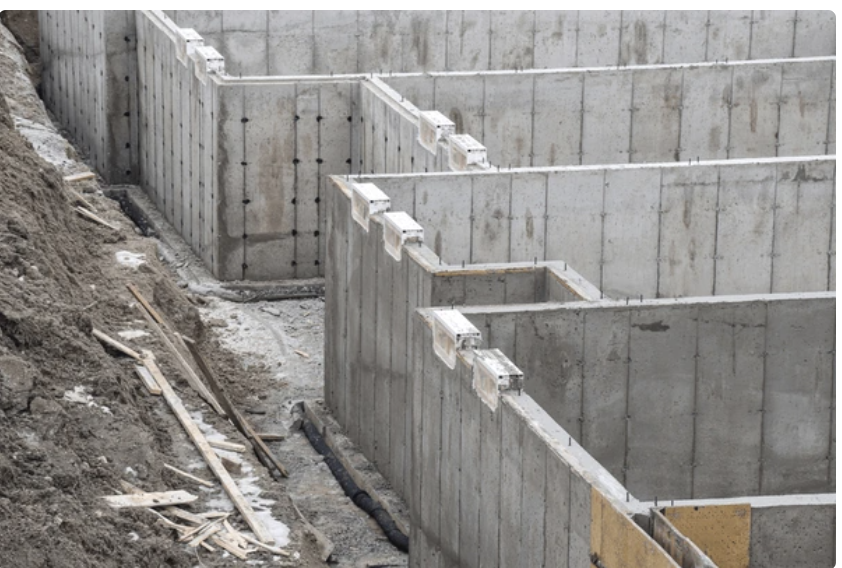
Underground Waterproofing & Below-Grade Systems Explained
Why concealed transitions, leak investigation, and concrete durability are central to below-grade engineering and repair planning.
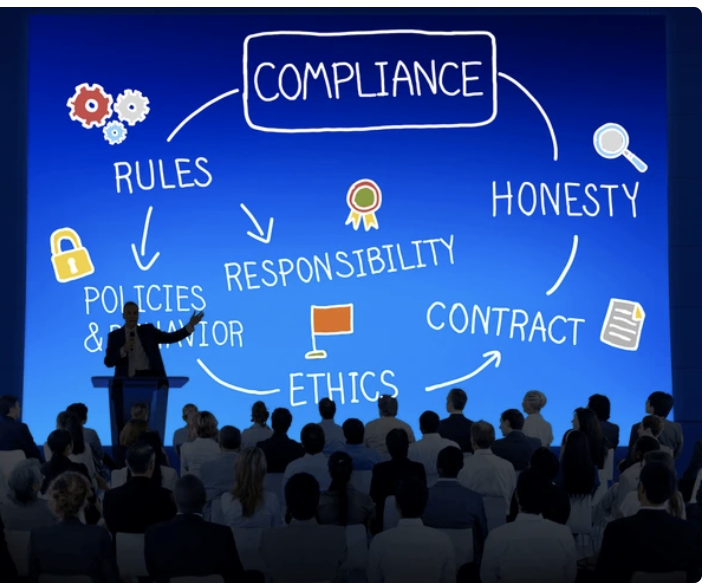
Code Compliance & Engineering Reports: What Owners and Teams Should Expect
What good engineering letters, condition reports, narratives, and compliance documentation should actually do for a project.
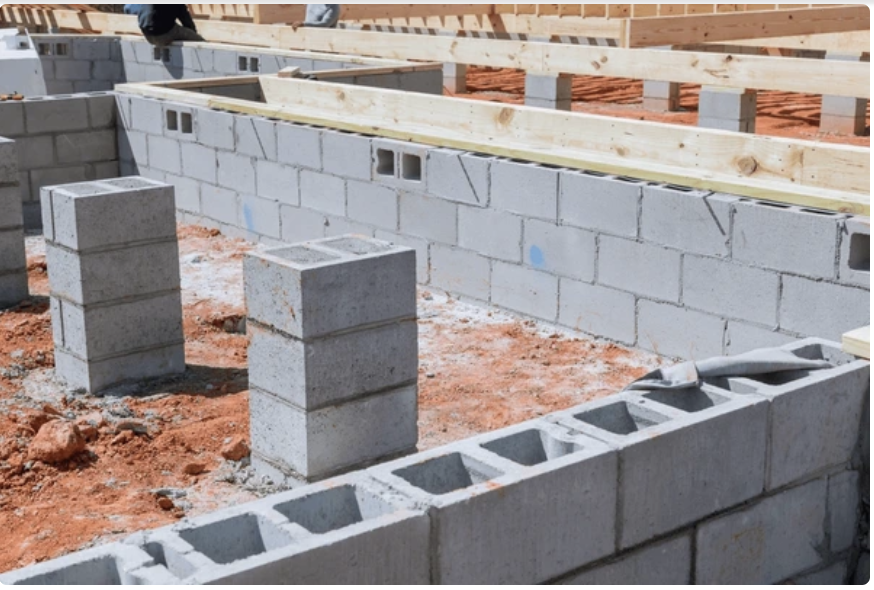
Masonry & Stone Consulting: Distress, Repair, and Durability
How cracking, moisture, salt exposure, repointing strategy, and material compatibility shape masonry and stone repair decisions.
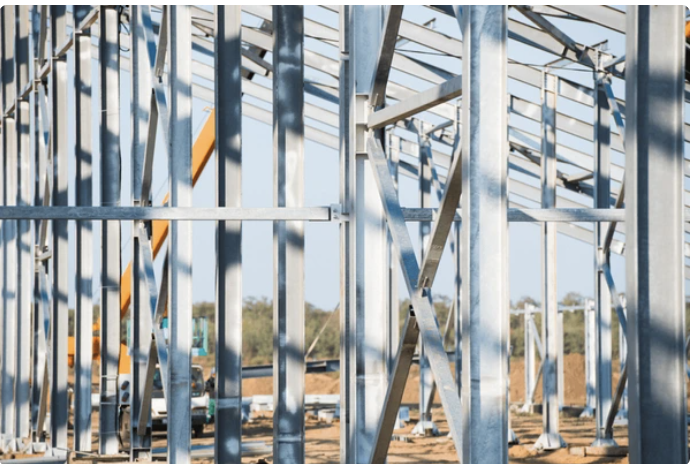
Lightweight Steel & Cold-Formed Systems: A Practical Guide
Why local bracing, fastener layout, corrosion exposure, and cladding coordination control light-gauge system performance.
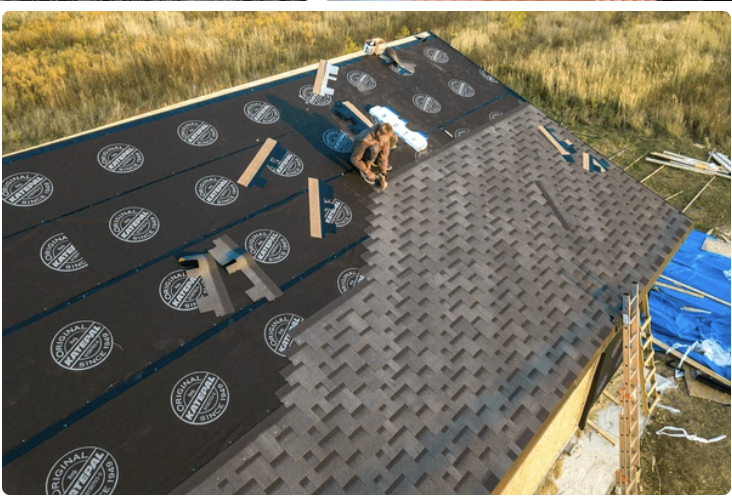
Composite Materials & Retrofit Systems in Structural Rehabilitation
Where composite strengthening fits, where it does not, and how substrate quality and exposure conditions shape the decision.

Greenhouse Structure Engineering: Framing, Glazing, and Durability
How greenhouse frames, glazing, condensation, corrosion exposure, and anchorage combine into a distinct engineering problem.
No articles match your search. Try different keywords or clear the filter.